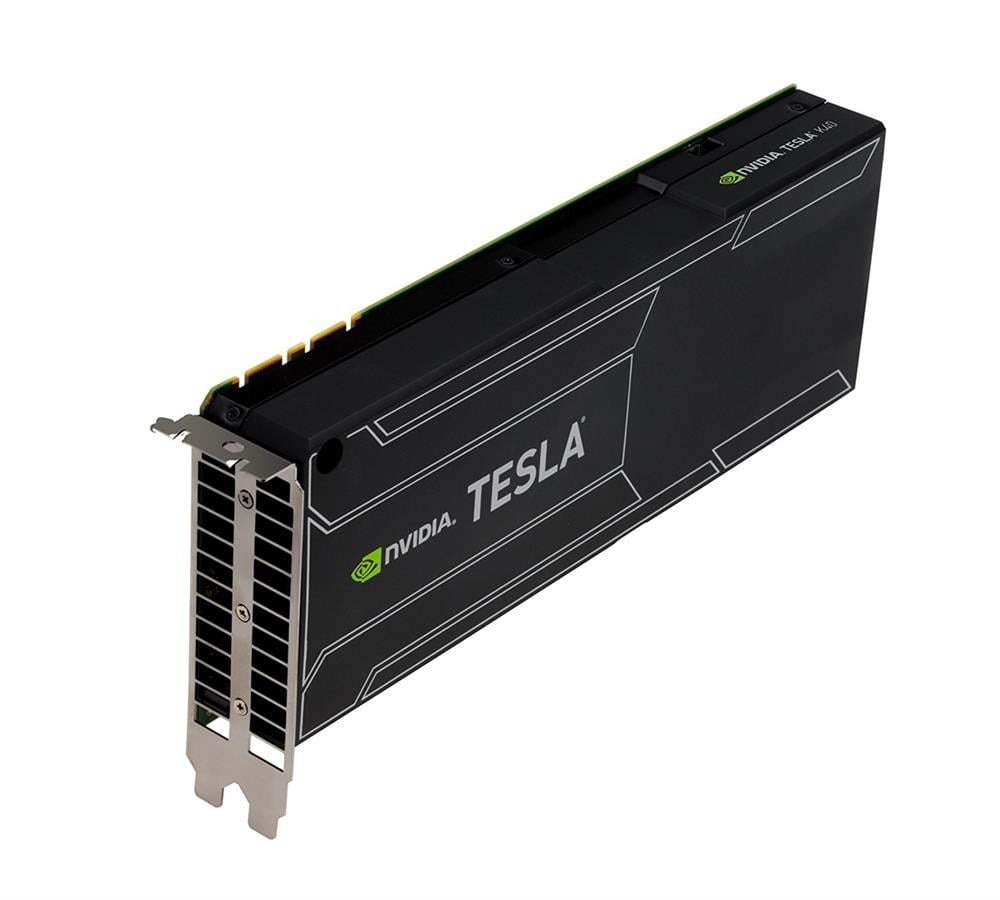
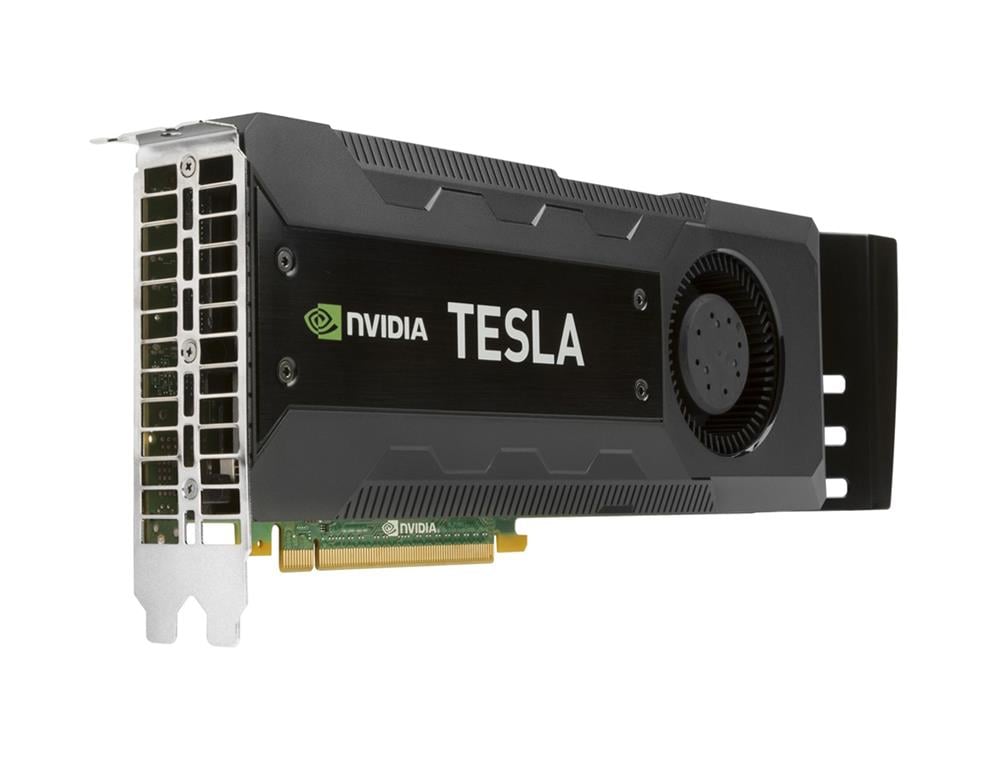
728554-001 HP K610M N15M-Q2 MXM Graphics Board. New Bulk Pack.
$58.49
$91.83
Description Video output options and resolutions Modern graphics boards typically support a variety of video output options and resolutions, which can be important for connecting to different display devices and achieving the desired level of visual quality. Some common video output options and resolutions include: HDMI (High-Definition Multimedia Interface): HDMI is a popular digital video and audio interface that supports high-definition resolutions up to 4K (3840 x 2160 pixels), as well as 3D video and multi-channel audio. DisplayPort: DisplayPort is a digital video interface that supports resolutions up to 8K (7680 x 4320 pixels) at 60Hz, as well as high dynamic range (HDR) video and multi-stream transport (MST) for connecting multiple displays. VGA (Video Graphics Array): VGA is an analog video interface that is commonly used for connecting older display devices, such as CRT monitors. VGA supports resolutions up to 1920 x 1080 pixels, but does not support digital video signals. DVI (Digital Visual Interface): DVI is a digital video interface that supports resolutions up to 2560 x 1600 pixels, and can be converted to HDMI or VGA with the use of adapters. Thunderbolt: Thunderbolt is a digital video and data interface that supports high-definition video resolutions up to 4K, as well as data transfer speeds up to 40Gbps. In addition to these video output options, modern graphics boards may also support a variety of other features that can impact the quality of the video output, such as anti-aliasing, anisotropic filtering, and color correction. It’s important to check the specifications of the graphics board and the display device to ensure that they are compatible with each other and that the desired level of visual quality can be achieved. Texture and pixel fill rate Texture fill rate and pixel fill rate are two important performance metrics for graphics boards, particularly in 3D graphics applications. Texture fill rate refers to the number of textured pixels that a graphics board can render per second. Textured pixels are used to give surfaces of 3D objects a more detailed appearance by applying an image or pattern to the surface. The texture fill rate is determined by multiplying the number of pixels on the screen by the number of texture units in the graphics processing unit (GPU) and the clock rate of the GPU. A higher texture fill rate means the graphics board can render more textured pixels per second, which can improve the overall visual quality of 3D graphics. Pixel fill rate, on the other hand, is the number of pixels that a graphics board can process per second. This metric takes into account both textured and non-textured pixels. The pixel fill rate is determined by multiplying the number of pixels on the screen by the clock rate of the GPU. A higher pixel fill rate means the graphics board can process more pixels per second, which can improve the overall rendering speed of 3D graphics. Both texture fill rate and pixel fill rate are important metrics for determining the performance of a graphics board in 3D graphics applications. However, it’s important to note that they are just two of many factors that can affect graphics performance, and other factors such as memory bandwidth and clock speeds can also have a significant impact. CAD and engineering software compatibility CAD (Computer-Aided Design) and engineering software are widely used in a range of industries, including architecture, engineering, manufacturing, and construction. These applications typically require a high-performance graphics board that can handle complex 3D models and render them in real-time. To ensure compatibility with CAD and engineering software, a graphics board should meet certain requirements, such as: Support for the required APIs: CAD and engineering software typically use APIs such as OpenGL or DirectX for rendering 3D graphics. The graphics board should be compatible with these APIs to ensure that the software can take full advantage of its capabilities. Adequate memory and bandwidth: The graphics board should have enough memory and memory bandwidth to handle the large amounts of data that are typically required for CAD and engineering applications. Multi-monitor support: Many CAD and engineering applications require multiple displays for improved productivity. The graphics board should support multiple monitors and the required display resolutions for the application. High-performance 3D rendering capabilities: The graphics board should be capable of rendering complex 3D models in real-time, with high texture and pixel fill rates, and support for advanced features such as anti-aliasing and anisotropic filtering. Compatibility with the operating system and hardware: The graphics board should be compatible with the operating system and hardware used in the CAD or engineering workstation, and should have the necessary drivers and firmware to ensure optimal performance. It’s important to check the specifications and compatibility of the graphics board before purchasing it for use with CAD or engineering software, and to ensure that it meets the specific requirements of the application. This can help to ensure that the software runs smoothly and that the user can work efficiently and effectively. Anti-aliasing and anisotropic filtering Anti-aliasing and anisotropic filtering are techniques used in 3D graphics to improve the visual quality of the images rendered by a graphics board. Anti-aliasing is a technique that smooths out the edges of 3D objects in a scene, reducing the appearance of jagged lines or “jaggies.” It does this by blending the colors of the pixels along the edge of an object with the colors of the pixels in the background, creating a more natural-looking transition. Anti-aliasing can be applied in different levels of quality, such as 2x, 4x, 8x, or even higher levels, with higher levels resulting in smoother and more visually appealing edges, but also requiring more processing power. Anisotropic filtering is a technique that improves the clarity and detail of textured surfaces in 3D objects. Textures are the images applied to the surfaces of 3D objects to give them a more realistic appearance, such as the skin of a character or the surface of a brick wall. Anisotropic filtering ensures that textures maintain their clarity and detail even when viewed at an angle or from a distance, by adjusting the texture sampling algorithm. This creates a more realistic and immersive visual experience. Both anti-aliasing and anisotropic filtering require additional processing power from the graphics board, but they can significantly improve the visual quality of 3D graphics. Many modern graphics boards have dedicated hardware for these features, allowing them to be enabled without a significant impact on performance. It’s important to check the specifications of the graphics board to ensure that it supports the desired levels of anti-aliasing and anisotropic filtering, and to adjust the settings in the 3D application or game to achieve the desired level of visual quality.
Quadro Graphics